Wondering how agents come up with a list price for a home in Yorktown Heights? If you are getting ready to sell, that number can feel like the biggest decision in the whole process. The good news is that strong pricing is not guesswork. It is a mix of local data, property details, market timing, and your goals as a seller. Let’s dive in.
Why pricing matters in Yorktown Heights
Yorktown Heights is a small, competitive market, which makes pricing especially important. Over the last three months, Redfin reported a median sale price of $668,000, with homes going pending in about 24 days and receiving around seven offers on average. Zillow also showed tight activity as of May 31, 2026, with 80 homes for sale, a median list price of $710,000, and 26 days to pending.
Those numbers are not measuring the exact same thing, but they point in the same direction. Buyers are active, and homes can move quickly when the price makes sense. In a market like this, a home that launches at the right number has a better chance to attract serious attention early.
The wider Westchester market supports that picture. OneKey MLS reported a March 2026 median sales price of $922,000 for single-family homes in Westchester County, up 7.2% year over year, with sellers receiving 101.0% of original list price on average. New listings were down 12.9% year over year, which suggests inventory pressure can still support well-priced homes.
Why one Yorktown Heights price does not fit all
One of the biggest mistakes sellers make is assuming there is a single “Yorktown Heights price.” In reality, value can shift a lot based on the home’s immediate area, size, condition, and features. Even Zillow’s neighborhood-level snapshots show a meaningful spread, from about $588,410 in Shenorock to $644,020 in Heritage Hills and $713,694 in Crugers.
That variation is why agents do not rely on countywide averages alone. A broad market stat can help set the backdrop, but it cannot tell you what your specific home should list for. The real work happens at the hyper-local level.
How agents build a CMA
The main tool agents use is a Comparative Market Analysis, often called a CMA. This is a pricing review built by comparing your home to similar properties that have recently sold, are under contract, or are currently active nearby. The goal is to estimate where your home fits in the current market.
A CMA usually starts with the basics:
- Square footage
- Bedroom and bathroom count
- Lot size
- Property type
- Location within Yorktown Heights
- Overall condition
- Amenities and upgrades
From there, the analysis gets more detailed. Agents look at how your home compares with recent sales and current competition, then adjust for differences that buyers are likely to notice.
What agents look at beyond square footage
In Yorktown Heights, pricing is rarely just about size. Two homes with similar square footage can command different prices if one has updated kitchens and baths, better outdoor space, or fewer visible repair needs. Buyers also respond to presentation, layout, and how move-in ready a home feels.
That means an agent may weigh factors like:
- Renovations and updates
- Roof, windows, and major systems
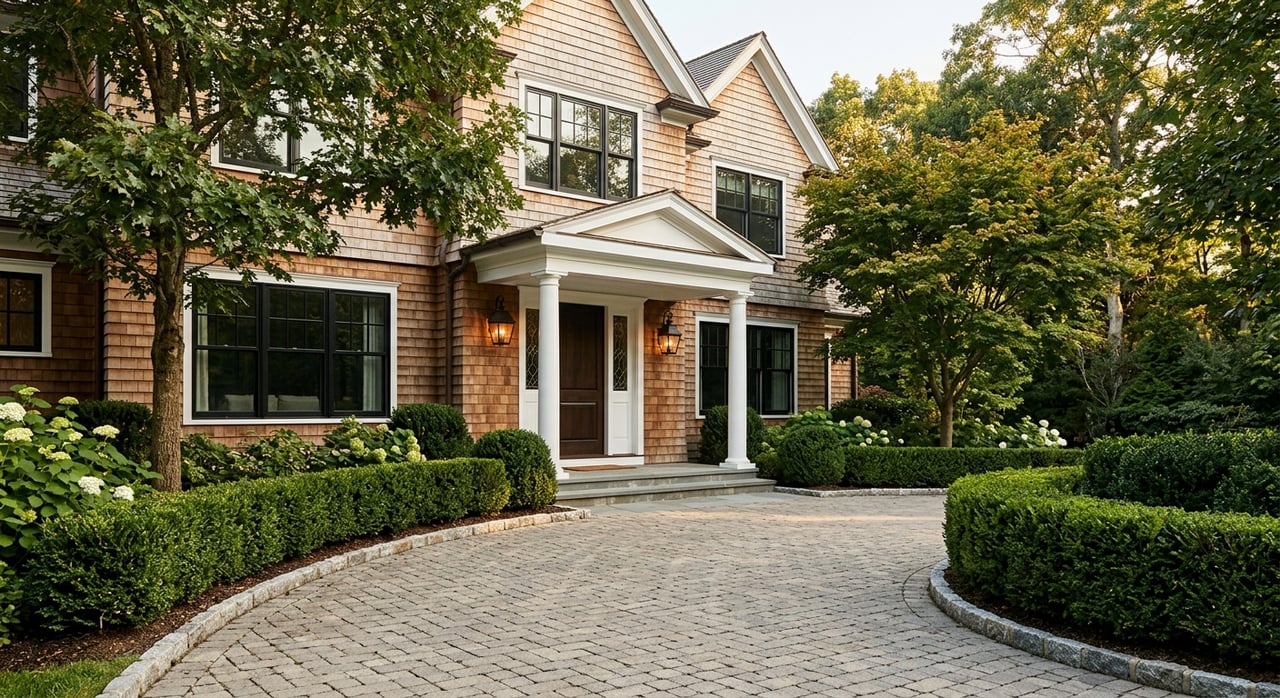
- Landscaping and curb appeal
- Storage, garage space, or finished lower levels
- Functional layout
- Features that stand out in the local buyer pool
Just as important, agents also account for drawbacks. If a home needs cosmetic work or has dated finishes, that can affect the recommended price range. Strong pricing reflects both strengths and tradeoffs.
How seller goals shape the price
The right list price is not only about market value. It is also about your timeline and priorities. If your goal is to move quickly, an agent may recommend a more competitive price to generate stronger early activity.
If you have more flexibility, the strategy may shift. In some cases, a seller may test a slightly higher number if the comps and condition support it. The key is that the price still needs to feel credible to buyers who are watching the market closely.
A good pricing conversation usually covers:
- How fast you want to sell
- Whether you are also buying another home
- How much prep work you want to do before listing
- Whether concessions or repair credits might help
- What your plan is if early market response is soft
Common pricing strategies agents use
There is no single pricing formula for every listing. Instead, agents usually recommend a strategy based on the market, the home, and the seller’s goals.
Pricing at market value
This approach aims to place the home where recent comparable sales and current competition suggest it belongs. It can help attract serious buyers without leaving the home sitting too long. In a market like Yorktown Heights, this is often the baseline strategy.
Pricing slightly below market
This does not mean the home is worth less. In a competitive market, pricing slightly below a key threshold can create urgency, expand the buyer pool, and encourage multiple offers. With Yorktown Heights homes often receiving several offers, this can be a smart move when demand is strong and the home shows well.
Pricing above market
Some sellers want to start high and see what happens. While that can sound appealing, it carries risk. If buyers think a home is overpriced, they may skip it, and the listing can lose momentum.
Later price cuts may help, but they can also raise questions for buyers who have been watching the home. In many cases, the strongest interest comes in the first days or weeks after launch, so the initial number matters.
Why price bands matter
Agents also think about how buyers search online. Many buyers set price filters in round-number brackets, so a home priced just below a threshold may appear in more searches. For example, there can be a meaningful difference between pricing at $699,000 and pricing above the next search cutoff.
This is part strategy, part buyer psychology. A home may be worth roughly the same either way, but one number can create more visibility than another. That is why pricing conversations often focus on ranges and search behavior, not just a single exact value.
Why overpricing can backfire
Overpricing is one of the biggest risks for sellers. Buyers today can compare listings quickly, and they tend to notice when a home feels out of line with the competition. If the asking price is too high, they may move on before scheduling a showing.
That can lead to a longer time on market and later price reductions. It can also create trouble once you are under contract, because the lender’s appraisal may come in below the agreed price. If that happens, it can affect the buyer’s financing and put extra pressure on the deal.
CMA vs. appraisal
This part often causes confusion, so it helps to keep the terms separate. A CMA is the agent’s market-based pricing recommendation for listing your home. An appraisal is an independent opinion of value ordered during the buyer’s financing process and completed by a licensed or certified appraiser.
Both look at value, but they serve different purposes. Your list price is a marketing and negotiation decision, while the appraisal helps the lender confirm the property value in relation to the loan.
How condition affects the final number
Condition and presentation play a major role in pricing. A clean, well-prepared home often creates a stronger impression, and that can support a more confident launch price. Even small improvements can shape how buyers respond in the first week on market.
Before settling on a final list price, agents often talk through practical steps such as:
- Deep cleaning
- Decluttering
- Paint touch-ups
- Basic landscaping
- Minor repairs
- Staging or styling adjustments
According to NAR’s staging guide, 83% of buyers’ agents said staging makes it easier for buyers to picture themselves living in a home. More than a quarter of agents also reported that staged homes brought in 1% to 10% more in dollar value offered. That is one reason preparation and pricing often go hand in hand.
What a strong pricing conversation should include
A helpful pricing meeting should leave you with more than a single number. You should understand how your home compares to recent sales, what active competition looks like, and why the recommended range makes sense in today’s market. That clarity helps you make decisions with confidence.
In Yorktown Heights, where market conditions are competitive but not uniform from one area or property type to another, the best pricing plan is local and data-led. It should reflect your home’s true position in the market and give you a clear next step if buyer response is weaker than expected.
If you are thinking about selling and want a pricing strategy grounded in local market data, presentation, and timing, Daniel Mckeon can help you build a plan that fits your goals.
FAQs
How do agents price homes in Yorktown Heights?
- Agents usually create a Comparative Market Analysis using nearby recent sales, pending listings, active competition, your home’s condition, features, and your selling timeline.
What is a CMA for a Yorktown Heights home sale?
- A CMA, or Comparative Market Analysis, is an agent’s estimate of a home’s likely market position based on similar local properties that have sold, are under contract, or are currently listed.
Why can two Yorktown Heights homes have very different prices?
- Home values can vary based on neighborhood area, lot size, updates, condition, layout, and features, which is why broad market averages do not tell the full story for one property.
Is pricing a Yorktown Heights home high a good strategy?
- It can be risky because buyers may see the home as overpriced, skip it, and wait for a reduction, which can hurt early momentum.
What is the difference between a CMA and an appraisal in New York home sales?
- A CMA helps set the list price for marketing the home, while an appraisal is an independent value opinion used by a lender during the buyer’s financing process.
Does staging help when pricing a home in Yorktown Heights?
- Yes. Better presentation can improve buyer perception, support the asking price, and help the home compete more effectively when it first hits the market.